
How to Identify Male And Female Sun Conure: Expert Tips Revealed
Male and female Sun Conures look nearly identical. DNA testing or surgical sexing is needed to determine their gender.
Sun Conures are vibrant, colorful parrots known for their lively personalities and striking appearance. These birds are native to South America and are popular pets due to their playful nature and strong bonds with their owners. Identifying the gender of Sun Conures can be challenging since males and females have similar physical traits.
Relying solely on visual clues is often insufficient. DNA testing offers a reliable method for sexing, ensuring accurate identification. Bird enthusiasts and pet owners should consider professional advice for proper gender identification. Understanding their needs helps in providing better care and ensuring a happy, healthy life for these beautiful parrots.
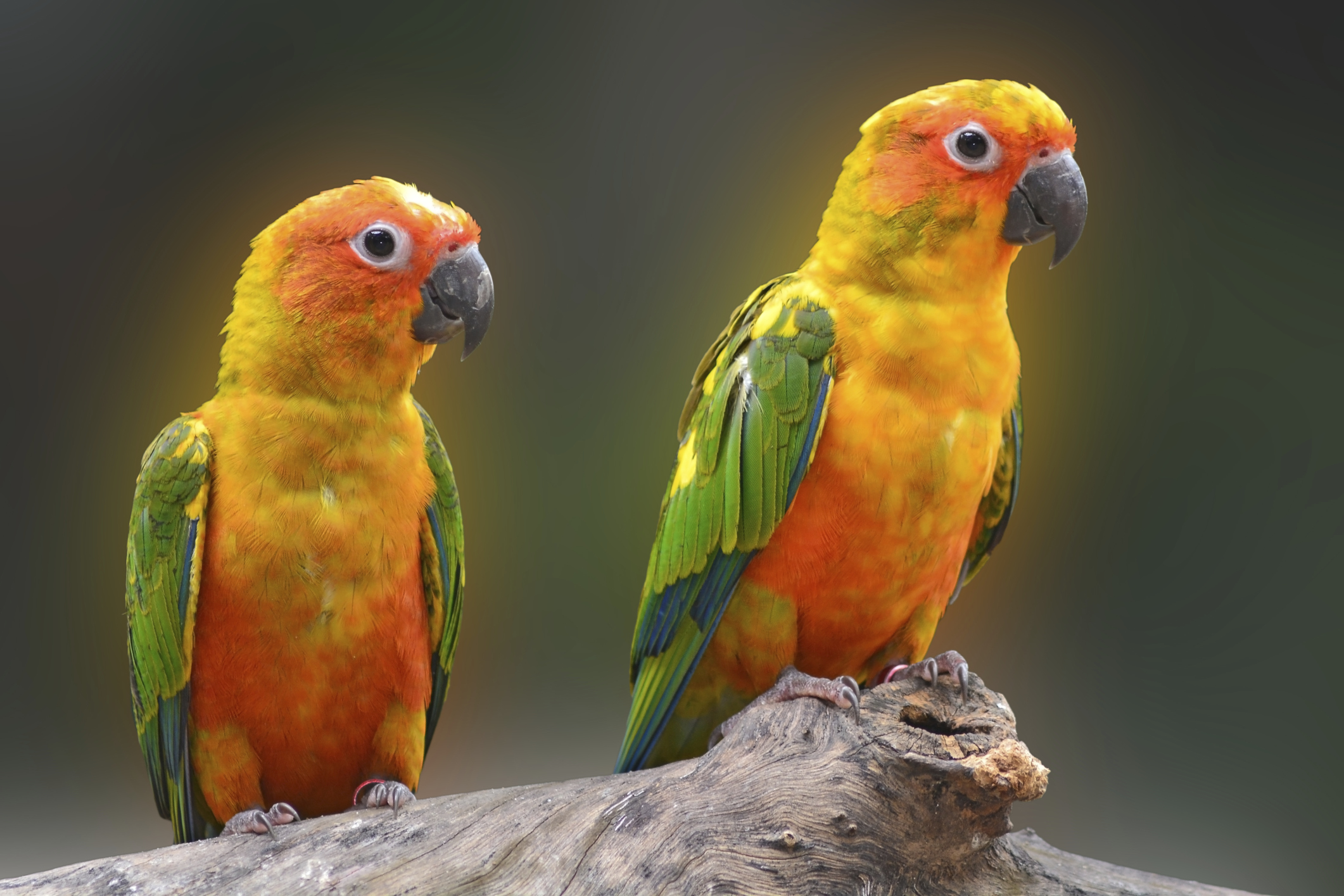
Credit: www.cuteness.com
Introduction To Sun Conures
Sun Conures are colorful and social birds. They are popular pets. Their vibrant colors and playful nature attract many bird lovers. These birds are native to South America. They thrive in warm, tropical climates. Knowing their gender can be important for various reasons.
Overview Of Sun Conures
Sun Conures are medium-sized parrots. They have bright yellow and orange feathers. Their wings are green and blue. They are known for their loud calls and friendly behavior. Sun Conures live around 30 years with proper care. They are intelligent and can learn tricks and mimic sounds.
Why Gender Identification Matters
Identifying the gender of Sun Conures is crucial. It helps in breeding programs. Knowing the gender can prevent unwanted eggs. Male and female birds may have different health needs. Gender identification can also help in understanding their behavior better.
| Characteristic | Male Sun Conure | Female Sun Conure |
|---|---|---|
| Size | Typically larger | Usually smaller |
| Behavior | More territorial | More nurturing |
| Feather Color | Brighter | Slightly duller |
- Sun Conures are colorful and social birds.
- They are popular pets due to their vibrant colors.
- Knowing their gender is important for breeding.
- It can prevent unwanted eggs.
- Different genders have different health needs.
- Observe their size and behavior.
- Check their feather colors.
- Consult a vet for accurate identification.

Credit: www.youtube.com
Physical Characteristics
Identifying the gender of a Sun Conure can be tricky. They look very similar. But, there are some physical traits that can help. Understanding these traits can help you tell males from females.
Plumage Differences
Male and female Sun Conures have bright plumage. Both genders are vibrant with orange, yellow, and green feathers. But, males might have slightly brighter colors. The differences are very subtle.
Size And Weight Variations
Sun Conures show size differences between males and females. Males tend to be a bit larger. They have broader heads and bodies. Females are usually slightly smaller and lighter.
| Characteristic | Male Sun Conure | Female Sun Conure |
|---|---|---|
| Plumage | Brighter colors | Slightly duller colors |
| Size | Larger | Smaller |
| Weight | Heavier | Lighter |
Behavioral Traits
Understanding the behavioral traits of Sun Conures helps in identifying their gender. Both male and female Sun Conures exhibit unique behaviors that can offer clues about their sex. Below, we explore two significant behavioral traits: activity levels and interaction with owners.
Activity Levels
Sun Conures are known for their high energy and playful nature. Males often display more intense activity levels. They engage in more vigorous play and frequent flying. Females, while also active, may show slightly calmer behavior. They tend to be more focused and deliberate in their actions. Observing these subtle differences can help in determining the gender of your Sun Conure.
Interaction With Owners
Interaction with owners is another vital behavioral trait. Male Sun Conures usually exhibit more boldness and curiosity. They are often more eager to engage and interact. They may also be more vocal and demanding of attention. Females, on the other hand, might be more reserved and cautious. They often show affection in a more gentle and subtle manner. Observing these patterns in interaction can provide valuable insights into the gender of your Sun Conure.

Credit: m.youtube.com
Vocalization Patterns
Sun Conures are known for their vibrant colors and loud calls. Understanding their vocalization patterns can help you identify male and female birds. Both genders make distinct sounds, but there are subtle differences.
Call Differences
The calls of male and female Sun Conures can be slightly different. Males often have louder and sharper calls. Females tend to produce softer and more melodious sounds.
Frequency Of Sounds
Males vocalize more frequently than females. They use their calls to assert dominance and attract mates. Females usually call less often, focusing on softer and nurturing sounds.
Dna Testing
Identifying the gender of a Sun Conure can be tricky. One reliable method is DNA testing. This process provides accurate results, ensuring you know your bird's gender.
Testing Methods
There are several DNA testing methods available. The most common involve collecting feathers, blood, or eggshell samples. Each method has its own advantages.
- Feather Sampling: Pluck a few feathers and send them to a lab.
- Blood Sampling: Collect a small drop of blood using a needle.
- Eggshell Sampling: Send a piece of eggshell after hatching.
Feather sampling is non-invasive and simple. Blood sampling is slightly more accurate. Eggshell sampling is convenient if you have a recent hatchling.
Accuracy And Reliability
DNA testing is highly accurate and reliable for determining the gender of Sun Conures. The accuracy rate is over 99%. This makes DNA testing the preferred choice for bird owners.
| Method | Accuracy | Difficulty Level |
|---|---|---|
| Feather Sampling | 99% | Easy |
| Blood Sampling | 99.9% | Moderate |
| Eggshell Sampling | 99% | Easy |
Feather sampling is popular due to its ease. Blood sampling, while more challenging, offers the highest accuracy. Eggshell sampling is another easy method with high accuracy.
Choose the method that best suits your needs. Trust the results, as DNA testing is reliable.
Veterinary Insights
Understanding the gender of your Sun Conure can be challenging. Veterinary professionals use specific methods to identify male and female birds. These methods provide accurate results.
Professional Exams
Veterinarians conduct thorough examinations to determine the gender of Sun Conures. They use physical assessments and advanced techniques.
| Method | Description |
|---|---|
| DNA Testing | Most accurate method. Requires a small feather or blood sample. |
| Endoscopy | Invasive method. Allows internal examination of reproductive organs. |
| Visual Inspection | Less reliable. Based on physical characteristics. |
Consultation Importance
Consulting a veterinarian ensures the correct identification of your Sun Conure's gender. This helps in providing appropriate care and understanding behavior.
- Accurate Identification: Ensures proper breeding and health management.
- Behavioral Insights: Gender can affect how the bird interacts.
- Health Monitoring: Male and female birds may have different health needs.
Veterinary insights are crucial for the well-being of your Sun Conure. They provide reliable information and professional guidance.
Home Observation Tips
Identifying the gender of your Sun Conure at home can be fun. With careful observation, you can spot differences between male and female Sun Conures. Here are some practical tips to help you.
Daily Monitoring
Observe your Sun Conure daily. Note their behavior and physical traits. Males might be more vocal and active. Females might be quieter and more reserved.
Check their head shape. Males often have a flatter head. Females may have a more rounded head.
Watch their interactions. Males might be more dominant. Females may be more submissive.
Record Keeping
Keep a journal of your observations. Document their behaviors and physical changes. This helps in tracking patterns.
| Date | Behavior | Physical Traits |
|---|---|---|
| 01/10/2023 | Vocal and Active | Flat Head |
| 02/10/2023 | Quiet and Reserved | Rounded Head |
Use a checklist to keep track of traits:
- Head Shape
- Vocal Activity
- Behavioral Patterns
Consistent record keeping helps identify gender differences.
Common Myths
There are many myths about identifying male and female Sun Conures. These myths often lead to confusion. Let's debunk these myths and get the facts straight.
Misconceptions
One common myth is that male Sun Conures have brighter feathers. This is not true. Both genders can have bright feathers. Feather color is not a reliable indicator of gender.
Another myth is that males are more vocal. This is also false. Both male and female Sun Conures can be equally vocal. Personality, not gender, influences their vocal behavior.
Some people believe that males are more aggressive. This is not always the case. Both males and females can show aggression based on their environment and upbringing.
Fact Vs. Fiction
Let's separate the facts from the fiction:
| Myth | Fact |
|---|---|
| Males have brighter feathers. | Feather color is the same for both genders. |
| Males are more vocal. | Vocal behavior varies by individual, not gender. |
| Males are more aggressive. | Aggression depends on environment and training. |
To identify the gender of a Sun Conure, you need a DNA test. Physical traits are not reliable indicators. A vet can help with DNA testing.
In summary, don't rely on myths to identify male and female Sun Conures. Seek professional advice for accurate results.
Frequently Asked Questions
What Does A Male Sun Conure Look Like?
A male sun conure has bright yellow and orange plumage, green wing feathers, and a distinct white eye ring.
Do Male And Female Conures Act Differently?
Yes, male and female conures can act differently. Males may be more vocal and territorial. Females might be calmer and more affectionate. Individual personalities vary widely.
How Do You Identify A Conure?
Identify a conure by its bright plumage, playful behavior, and medium size. They often have loud, distinctive calls.
What Do Male Green Cheek Conures Look Like?
Male green cheek conures have vibrant green bodies, maroon tails, and blue flight feathers. Their heads are gray with white eye-rings.
Conclusion
Distinguishing male and female Sun Conures can be challenging but rewarding. Pay attention to physical traits and behaviors. DNA testing offers the most accurate results. Understanding these differences ensures better care and breeding success. Start observing your Sun Conures closely today for a healthier and happier bird experience.

Viola R. Daigle
I'm Viola R. Daigle, a dedicated Internet Marketer. I work with WarriorPlus as a Vendor and Affiliate, and I’m also an Affiliate on JVZoo and Legendary Marketer. My passion is to provide honest and detailed reviews of Internet Marketing (IM) products and software. I love helping people choose the right tools and strategies to grow their online business with confidence.


